

 See My Latest Article on HelloNation
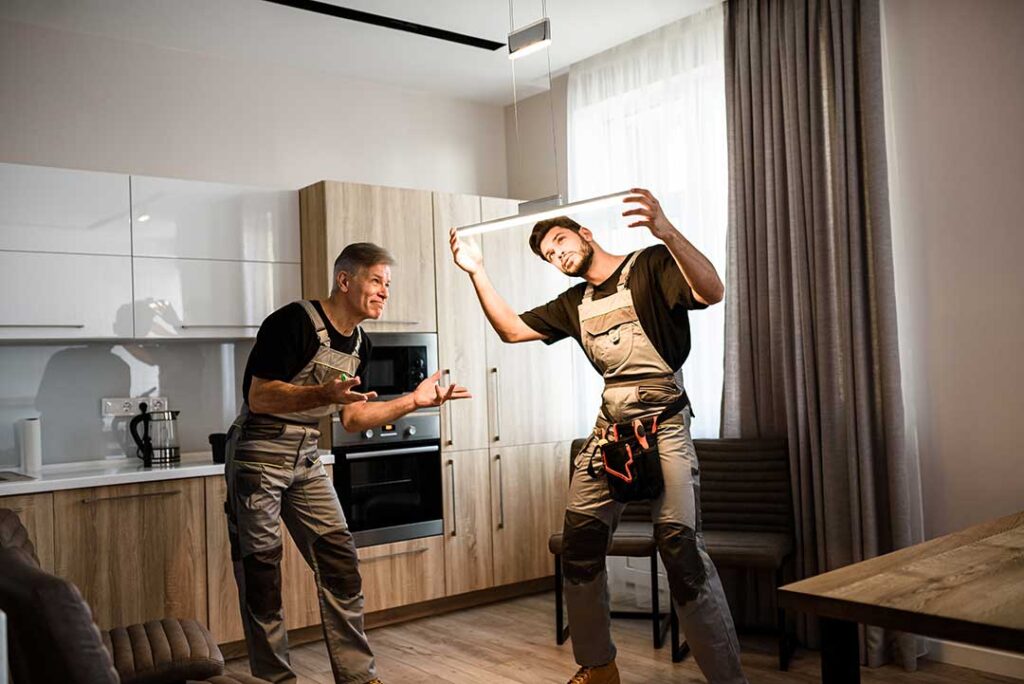
What electrical work can a homeowner usually do?
Simple, low-risk tasks can often be handled by a careful homeowner, provided the power is shut off and the work does not alter hidden wiring or the electrical service. Examples include replacing light bulbs, resetting a tripped circuit breaker, replacing a damaged switch plate, installing a plug-in light fixture, or changing a standard lamp cord assembly according to the manufacturer’s instructions.
Before doing any electrical task:
- Turn off the correct breaker.
- Confirm the circuit is de-energized with a properly functioning tester.
- Keep hands and work areas dry.
- Use tools with insulated handles.
- Follow the instructions supplied with the device.
- Stop if wiring is damaged, confusing, overheated, or different from the instructions.
A breaker being switched off is not proof that every conductor in a box is dead. Older homes may have shared circuits, mislabeled panels, or wiring changes made during previous renovations. Testing before touching is essential.
Can I replace a light switch or receptacle?
Replacing a matching switch or receptacle may be reasonable for an experienced homeowner if the existing wiring is in good condition and the replacement is the same type and rating. The replacement should be connected exactly as the original device was connected, with grounding handled correctly.
Do not proceed if:
- The electrical box contains aluminum wiring, cloth-insulated wiring, melted insulation, or brittle conductors.
- More wires are present than expected.
- The box is loose, overcrowded, wet, or damaged.
- The device is warm, discolored, buzzing, sparking, or loose.
- The circuit includes a ground-fault or arc-fault device that is not working properly.
- The wiring does not match the instructions or a reliable wiring diagram.
A three-way switch, dimmer, timer, smart control, or combination device can involve more connections than a standard switch. A mistake may leave the device functional but create an unsafe condition, so unusual wiring should not be treated as a routine replacement.
What repairs should not be DIY projects?
Work involving the service equipment, concealed wiring, or major circuit changes is generally outside the safe DIY category. This includes replacing or modifying the main service panel, installing a new circuit, upgrading service capacity, working on meter equipment, repairing damaged service cables, or connecting a standby generator.
It also includes:
- Running cable through finished walls or ceilings.
- Installing wiring in damp locations, crawl spaces, or outdoors.
- Adding circuits for electric heating, large appliances, hot tubs, or workshops.
- Altering wiring in a bathroom, kitchen, laundry area, or garage.
- Repairing recurring breaker trips instead of investigating the cause.
- Working near water intrusion, storm damage, or fallen utility lines.
- Removing electrical components that may contain asbestos or other hazardous materials.
These projects involve load calculations, grounding and bonding, conductor protection, box fill, weather resistance, and inspection requirements. A circuit that “works” can still be overloaded or improperly protected.
What does New York code mean for homeowners?
Electrical work in Schenectady is governed by New York State’s Uniform Code, along with applicable local administration and enforcement requirements. New York’s current residential code includes electrical provisions based on the 2023 National Electrical Code, and the 2025 Uniform Code became effective on December 31, 2025. ([dos.ny.gov](https://dos.ny.gov/notice-adoption?utm_source=openai))
A building permit is required for work that must comply with the Uniform Code, although specific exemptions and local procedures can vary by project and property type. The state also allows local governments to adopt standards that are more restrictive than the statewide minimum. ([dos.ny.gov](https://dos.ny.gov/division-building-standards-and-codes-frequently-asked-questions?utm_source=openai))
For that reason, a homeowner should verify permit requirements with the appropriate Schenectady code-enforcement office before beginning new wiring, service work, remodeling-related electrical work, or work in a rental or multifamily property. Permit rules are not determined simply by whether a project appears small.
Owner-occupied one-family dwellings are treated differently in some portions of the residential code, but that does not eliminate the need for safe installation, required permits, or compliance with local requirements. The property’s use, the scope of the work, and whether wiring is being added or altered all matter.
When is a tripped breaker a warning sign?
A breaker that trips once after too many appliances are plugged into the same circuit may indicate a temporary overload. Unplugging equipment and resetting the breaker may resolve that limited situation.
Repeated tripping is different. It can indicate:
- A short circuit.
- A failing appliance.
- Damaged wiring.
- Moisture in a receptacle or junction box.
- A circuit carrying more load than it was designed for.
- An arc-fault or ground-fault condition.

Do not repeatedly reset the breaker, replace it with a larger breaker, or hold it in the “on” position. The breaker is designed to interrupt current before conductors overheat. If it trips again immediately, leave it off until the cause is identified.
Seasonal conditions can make electrical problems more noticeable in local homes. Winter heating equipment, portable heaters, dehumidifiers, sump pumps, and older extension cords can place heavy demands on household circuits. Snowmelt or water entering outdoor receptacles can also cause ground-fault protection to trip.
What electrical problems require immediate shutdown?
Turn off power to the affected circuit and keep people away if there is smoke, a burning odor, visible arcing, melted plastic, crackling, exposed energized wiring, or a receptacle that is hot to the touch. If fire is present, leave the building and use emergency services rather than attempting to locate the electrical source.
Do not touch downed wires, wet electrical equipment, or a panel surrounded by standing water. A flooded basement, damaged service entrance, or storm-damaged exterior wiring can remain energized even when part of the home appears powerless.
Never use water to control an electrical fire, and do not enter an area where water may have reached electrical equipment until it has been made safe.
How can a homeowner avoid common DIY mistakes?
The most reliable approach is to limit DIY work to clearly understood, accessible tasks and preserve a record of what was changed. Photographing the original connections before disconnecting anything can help, but a photograph is not a substitute for identifying each conductor and verifying the circuit.
Avoid these common mistakes:
- Trusting wire color alone.
- Working without testing for voltage.
- Leaving a grounding conductor disconnected.
- Placing two wires under a terminal not designed for two conductors.
- Reusing damaged wire connectors.
- Covering a junction box so it cannot remain accessible.
- Installing a higher-rated breaker to stop nuisance trips.
- Using extension cords as permanent wiring.
- Ignoring a missing cover plate or loose receptacle.
In older housing, previous repairs may not follow current practice. Hidden junctions, abandoned conductors, ungrounded receptacles, and mixed wiring methods deserve extra caution.
What is the practical rule?
DIY electrical work is most appropriate when the task is simple, visible, documented, and fully understood before power is restored. Stop when the work involves new wiring, service equipment, hidden damage, moisture, repeated breaker trips, unfamiliar wiring, or any condition that could affect fire protection or shock safety.
For projects in Schenectady, checking the applicable permit and inspection requirements before beginning is part of doing the work responsibly—not an optional final step. State code provisions and local enforcement procedures can change, so current information should be confirmed for the specific property and project. ([dos.ny.gov](https://dos.ny.gov/division-building-standards-and-codes-frequently-asked-questions?utm_source=openai))